



Microdosing with Truffles.com | Medication and microdosing
Medication and microdosing
What medications can you combine with medication?
Medication and microdosing
Medication and psychedelics, what can and cannot be done.
Many people ask us whether microdosing with truffles can be combined with medications. This question is common among researchers and experts in the field. To effectively answer this question, American researchers Dr. James Fadiman and his colleague Sophia Korb have compiled a list of medications, supplements and other drugs that are so far known not to cause
This list is based on data collected during their long-term research among hundreds of subjects who independently microdosed with mainly psilocybin; the active ingredients in truffles. However, it is important to stress that this list does not guarantee the safe and responsible use of microdosing in combination with said drugs. Always consult your doctor if you want to stop or taper off your medication or combine it with truffles.
Do not use truffles if you are taking Tramadol or Lithium.
Medication and psychedelics, what can and cannot be done.
Many people ask us whether microdosing with truffles can be combined with medications. This question is common among researchers and experts in the field. To effectively answer this question, American researchers Dr. James Fadiman and his colleague Sophia Korb have compiled a list of medications, supplements and other drugs that are so far known not to cause negative side effects when combined with truffle/psilocybin microdosing. The list is further down this page.
This list is based on data collected during their long-term research among hundreds of subjects who independently microdosed with mainly psilocybin; the active ingredients in truffles. However, it is important to stress that this list does not guarantee the safe and responsible use of microdosing in combination with said drugs. Always consult your doctor if you want to stop or taper off your medication or combine it with truffles.
Do not use truffles if you are taking Tramadol or Lithium.
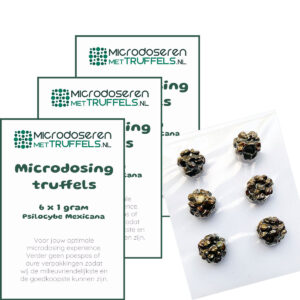
Order your Microdosing Truffles Now
Top quality + lowest price

Non-conflicting medications regarding use of truffles
The following medications experience no adverse effects from and do not conflict with the psilocybin in truffles. With these medications, you can safely microdose with truffles.
Please note that this list was compiled by American scientists. This is not medical advice. Consult your doctor prior to microdosing with truffles if you have any questions or would like advice.
Zopiclon (Zimovane, Imovane)
Melatonin
Zolpidem (ambien, stilnox)
Antidepressants
Bupropion (Wellbutrin)
Citalopram (Celexa)
Desvenlafaxine (Pristiq)
Doxepin (Sinequan)
Duloxetine (Cymbalta)
Escitalopram (Lexapro)
Paroxetine (Paxil)
Sertraline (Zoloft)
Venlafaxine (Effexor)
Sleep medication
Zopiclon (Zimovane, Imovane)
Melatonin
Zolpidem (ambien, stilnox)
Medication for heart disease and high blood pressure
Amiodarone (Cordarone, Nexterone)
Hydrochlorothiazide (HCTZ, HCT)
Losinopril (Prinivil, Zestril)
Losartan (Cozaar)
Ramipril
Spironolactone (Aldactone)
Telemisartin (Micardis, Actavis)
Valsartan (Diovan)
Medication for anxiety (Benzodiazepines)
Alprazolam (Xanax)
Clonazepam (Klonopin)
Diazepam (valium)
Flurazepam (Staurodorm)
Lorazepam (Ativan)
Etizolam
Propranolol
Painkillers
Aspirin
Codeine
Dihydrocodeine (Co-dydramol)
Hydrocodone (Vicodin, Norco)
Ibuprofen (Advil, Motrin)
Naproxen (Aleve)
Paracetemol (Tylenol)
ADHD & ADD medication Amphetamine (Adderall)
Bupropion (Wellbutrin)
Dextroamphetamine (dexedrine, metamina, attentin, zenzedi, percentra, amfexa)
Lisdexamphetamine (Vyvanse)
Methylphenidate (Ritalin, Biphentin)
Modafinil (Provigil)
Antihistamines / antihistamine
Cetirizine (Zyrtec)
Diphenahydramine (Benadryl, Gravol)
Loratadine (Claritin)
Ranitidine (Zantac)
Parkinson's medication
Levodopa
Pramipexol
Cholesterol medication
Atorvastatin (Lipitor)
Rosuvastatin (Crestor)
Simvastatin (Zocor)
Statins
Stomach protectors
Ranitidine (Zantac)
Antifungals
Fluconazole (Diflucan, Celozol)
Medication in treatment of alcohol addiction
Acamprosate (Campral)
Disulfiram (Antabuse)
Naltrexone
Brain Function
Aniracetam
Phenylpiracetam
Piracetam
Mood stabilizers and antipsychotics
Aripiprazole (Abilify)
Buspirone (Buspar)
Lamotrigine (Lamictal)
Quetiapine (seroquel)
Diabetes medication
Metformin (glucophage)
Epilepsy and nerve medication
Baclofen (Lioresal)
Carbamazepine (Tegretol)
Cyclobenzaprine (Flexeril)
Gabapentin
Mirtazapine
Sodium valproate
Primidone
Tizanidine (Zanaflex)
Topiramate
Thyroid medication
Methimazole
Thiamazole
Stomach and esophageal medication
Esomeprazole (Nexium)
Pantoprazole (Protonix)
Ranitidine (Zantac)
Respiratory medication
Salbutamol (Albuterol)
Cetirizine (Zyrtec)
Beclomethasone (Clenil Modulite)
Montelukast (Singulair)
Antiviral medication
Nitazoxanide
Hormones and steroids
Norethindronacetateethinyl
Estradiol
Prednisone (Deltasone, liquid Pred, Orasone, Adasone, Deltacortisone)
Estrogen (Premarin)
Progesterone (Prometrium, Utrogestan, Endometrin)
Testosterone
Levothyroxine (synthroid)
Naturethroid
Dexamethasone
Metabolism medication
Spironolactone (Aldactone)
Recreational drugs
Alcohol
Marijuana (cannabis)
Nicotine
Anti-inflammatories
Mesalazine (Octasa)
Immune system medication
Hydroxychloroquine (Quensyl)
Medication for erectile dysfunction
Tadalafil (Cialis)
Antibiotics
Clindamycin (Cleocin, Dalacin, Clinacin)
Doxycycline
Minocycline (Minocin, Minomycin, Akamine)
Penicillin (Bicillin)
Contraception
Aubra
Hormonal pills
Marvelon
Mirena
Nuvaring
Tricycles
Supplements
5-HTP
Albizia
Ashwagandha
B100
BCAAs
Biotin
Brahmi
Bromelain
Caffeine
Calcium
Cayenne
Chaga
Chlorophyll
Choline
CILTEP
CoQ10
Cordyceps
Creatine
Eleuthero
EPA/DHA
Fish oil
Ginseng
Glucosamine
Iodine
Iron
Kelp
Kratom
L-theanine
Lemon Balm
Moons of the lion
Maca
Magnesium
MCT
Methylsulfonylmethane (MSM)
Milk thistle
Multivitamins
Mmega 3/6/9
Passion Flower
Phosphatidyl
Probiotics
Pycnogenol
Reishi
Rhodiola
Rosacea
Selenium
Shatavari
Skullcap
St. John’s Wort
Taurine
Tulsi
Turmeric (curcumin)
Turkey’s tail
Twynsta
Vitamin
B6
B12
D3
K
C
K2
D
Zinc
Zinium
Microdosing as a trend
Microdosing of psychedelics, such as magic mushrooms (psilocybin), has become increasingly popular in recent years. Many people choose to take a very small amount of a psychedelic drug, with the intention of experiencing the positive effects without the intense experiences associated with a higher dose. This trend has gained particular popularity in the United States, where the use of psychedelics such as LSD and psilocybin is being increasingly explored, both for therapeutic use and personal development.
Microdosing involves taking an extremely small amount of a psychedelic substance, usually only a fraction of the dose needed to actually “trip.” The amount of a psychedelic substance you use during microdosing is so small that most people do not experience visual or mental hallucinations, but may notice subtle effects on their mood, creativity and overall well-being. Many microdosing users report positive effects such as increased concentration, improved emotional balance and a sense of connection with themselves and the world around them.
Research
When microdosing psychedelics, it is essential to measure the exact amount properly. Taking too much can lead to an experience that is unpredictable, potentially “tripping,” which is undesirable for some people, especially if they have not prepared properly. It is therefore important to start with a very small amount and build up slowly to discover how much of a psychedelic drug is needed to experience the desired effects without the risk of overdosing. In some cases, people may accidentally take too much, which can lead to intense experiences. This can disrupt the experience and even cause unwanted side effects.
In recent years, much research has been done on the potential mental health benefits of psychedelics, and microdosing is often mentioned as a method to help people process emotional blocks or even as an aid in improving cognitive functions. While microdosing can help in some cases, it is important to realize that the effects can vary from person to person. What works for one person may not work for another. Therefore, it is important to listen carefully to your body and mind, and experiment with the dose and frequency of microdosing to see what works best for you.
Medical attention
The use of psychedelics such as LSD and psilocybin has long attracted attention in the history of medicine, but in recent years there has been a renewed interest in their therapeutic potential. Microdosing offers a way to reap the benefits of psychedelics without the risks of higher doses, which often involve intense and sometimes overwhelming experiences. For some people, this can be a safer and more manageable way to explore the benefits of psychedelics.
However, there are still many questions about the long-term safety of microdosing. Some experts warn of the possibility of psychological dependence or of negative effects that may only manifest themselves after a longer period of time. Therefore, it is very important to be cautious when microdosing, especially if you want to use it for an extended period of time.
In conclusion, microdosing psychedelics such as magic mushrooms offers promising benefits for most people, especially when it comes to improving creativity, concentration and mood. However, it is essential to properly measure the exact amount and be aware of the risks. With proper knowledge and preparation, microdosing can be a valuable tool for personal growth and improving mental health.